Biblical Christian Worship / Puritan Worship (they are the same thing!)
How the Regulative Principle Ought to be Applied
What’s new in our age?
In our day, not similar to the church of the Reformation, or of the Puritans, we have music ministers, choirs, musical instruments, bands, solos, etc. We even find that national holidays have become part of the worship service. We see bands, concerts, special music, interpretive dance, skits and plays flooding the sanctuary. In the extreme, we find healing hours, prophetic ministries, prophesying rooms, barking in the Spirit, laughing in the Spirit, and the anti-Scriptural list goes on and on. In contrast to all this, from the time of the early church, to the recovery of the Gospel under the Reformation, to the second Reformation and the Puritan divines, even through to times surrounding Jonathan Edwards or the Princeton Theologians, there has been a general adherence to what the Bible taught concerning acceptable worship under the Regulative Principle (i.e. God alone determines the manner in which sinners are to approach Him). But what did they believe?
There is a growing need to study the doctrine of the church and the doctrine of worship. Ignorance on this subject is not bliss since God commands the gathering together of His people for the express purpose of worship (Heb. 10:25) according to His will. The Puritans knew the bible’s position on worship very well. Much of their writings were directed to this end. Worship should be reflected in the entire life of the believer as his manner of glorifying God. Without worship, men lose a sense of “Christian self.” That is why the unbeliever continues to fill the void of his unregenerate heart with various worldly pursuits, activities, and bosom sins, because only true worship to the Creator of the Universe is meant to fill that void. They have a gnawing sense of emptiness when they neglect true worship, something God commands and requires they give, for God is the Sustainer of their being; every one of their sinful breathes testifies to God’s power in keeping them alive. Worship and the church, then, even on that base level alone, is one of the most important, if not the most important doctrine one could study.
The church is also having an identity crisis. Since they do not know their Bibles, they have lost a sense of who they are before God. Hopefully some, if not all of these articles, will help the church find her identity again, remembering the old paths that the church has always walked upon. Here, the people of God will remember again how to worship the Lord in the beauty of holiness.
C. Matthew McMahon, Ph.D., Th.D.
March, 2002
On this section of the site, the reader will find a number of works that hold a Christian view, Puritan view, a Reformed view, of the Regulative Principle, and some other important matters, such as psalmody.
Throughout the history of the church, one of the most important topics found throughout the Bible, or, for that matter, the lives of the most well-known people of God, is the nature of true worship. All Christians throughout history have striven to please God in acceptable worship. Their conversion, through the sovereign redemption in Jesus Christ, presses them to continue their sanctification in regular corporate worship, as well as daily private worship. However, both corporate worship, and some forms of private worship, have become corrupted in our day – as Jesus said, many are teaching as doctrines the commandments of men.

How Did the Early Church Worship?
Most Christians don’t care to study Christian history and historical theology surrounding worship because they “feel” it takes away certain things they like in their church services. Are you interested in the historic Christian faith and its view on worship? God is to be worshiped according to His commands. God alone determines the manner in which sinners are to approach Him; and it is only accomplished through Jesus Christ, in the power of the Spirit, according to His word.
The early church worshipped in a specific manner according to God’s word. Christ and his commands are the rule by which Christians gather together for worship. We call this the Regulative Principle of Worship.
See these reformed liturgies here (Calvin, Knox and Puritan comparisons)
See Calvin’s Strassborg Liturgy here.
Historic Works on the Subject of Corporate Worship
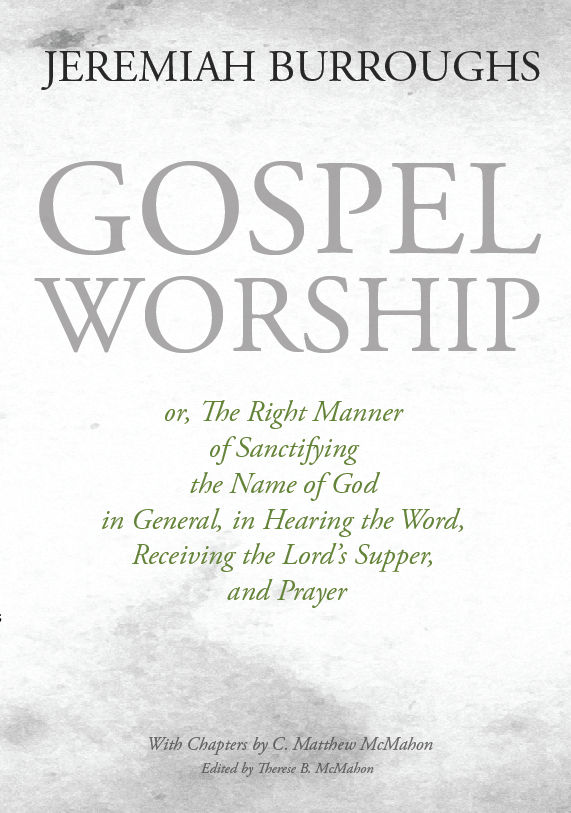
- Gospel Worship, by Jeremiah Burroughs, a modernized version.
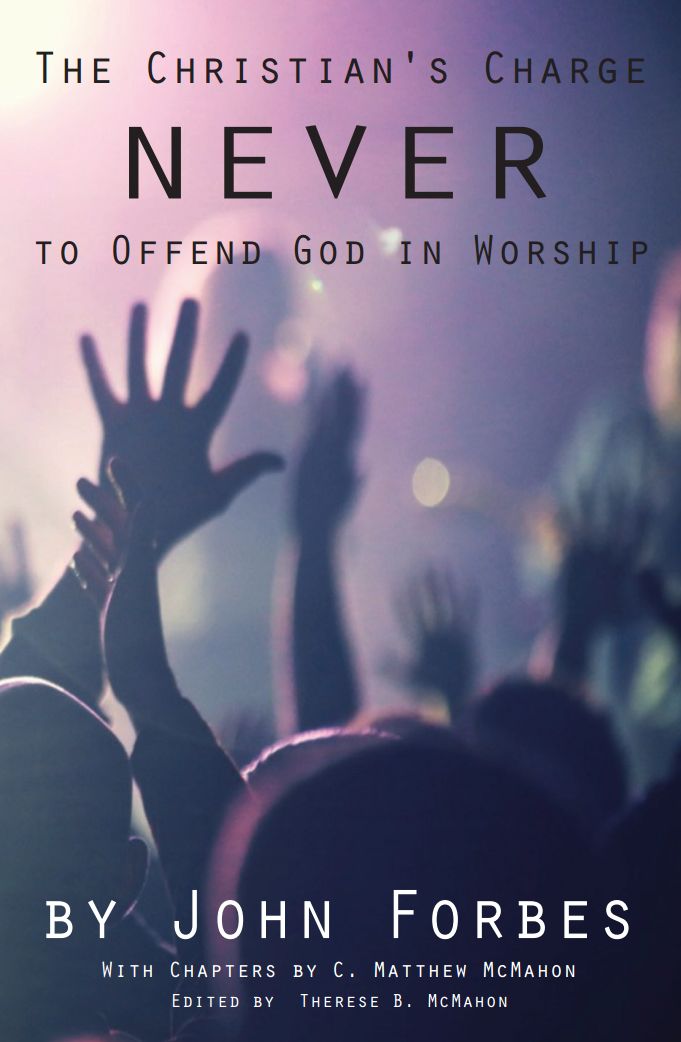
- The Christian’s Charge Never to Offend God in Worship, by John Forbes
- How to Serve God in Private and Public Worship, John Jackson
- True Worship and the Consequences of Idolatry, by John Knox
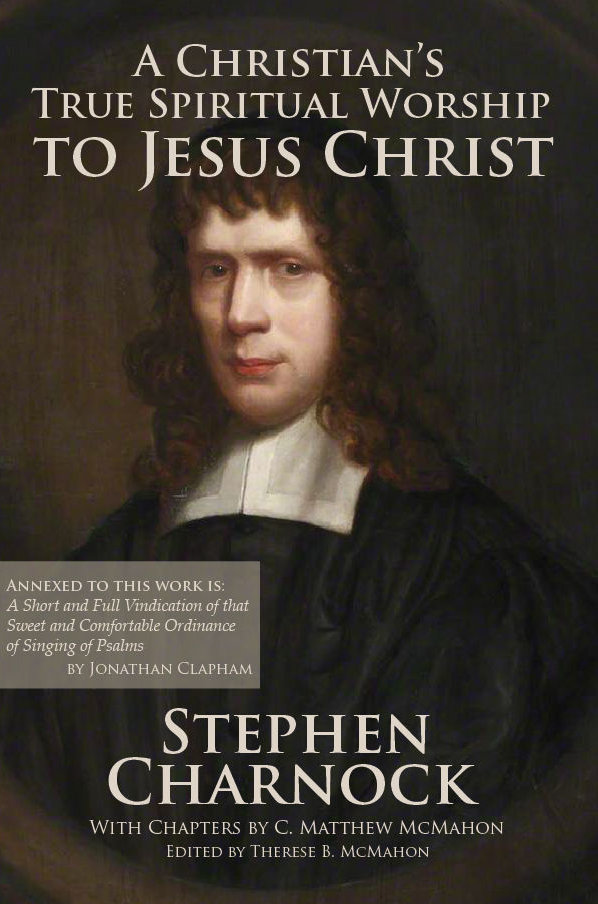
- A Christian’s True Spiritual Worship to Jesus Christ, by Stephen Charnock
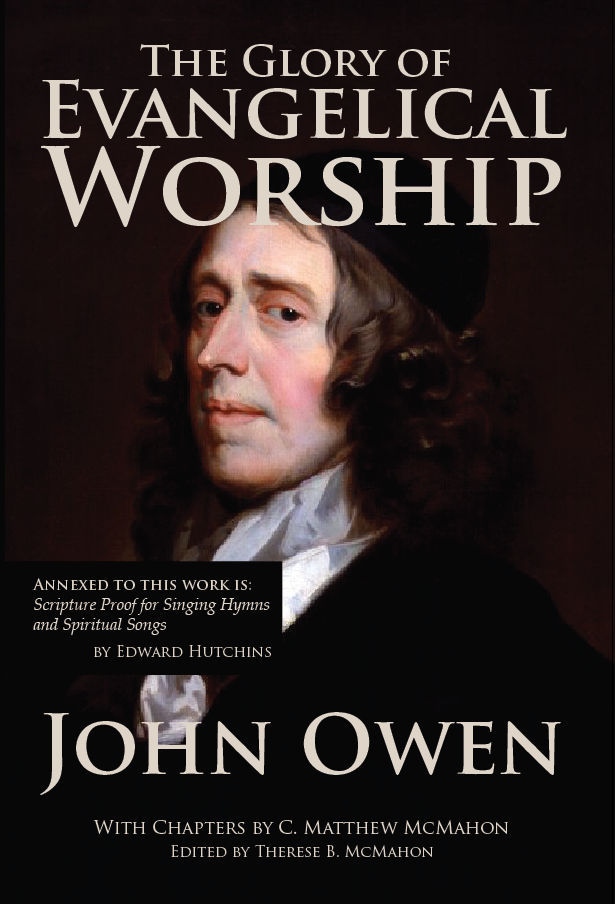
- The Glory of Evangelical Worship, by John Owen
- The Simplicity of Holy Worship by John Wilson
- Vain Imaginations in the Worship of God by Samuel Willard, Jonathan Dickinson, Joshua Moodey, Nathan Stone and Jonathan Edwards
- The True Psalmody by the Reformed Ministers
- A Gospel-Ordinance Concerning the Singing of Scripture Psalms, Hymns and Spiritual Songs by Cuthbert Sydenham
- Gospel Music: or the Singing of David’s Psalms by Nathaniel Holmes
- Singing of Psalms a Gospel Ordinance by John Cotton
- Singing of Psalms the Duty of Christians by Thomas Ford
Reformed and Puritan printed works on corporate worship can be found HERE.
Some other articles of importance on the RPW or Public Worship:
Public Worship Preferred Before Private by David Clarkson (1622-1686)
Observations on Personal Covenanting by Thomas Manton (1620-1677)
Personal Covenanting by Thomas Manton Part 1 (1620-1677)
Personal Covenanting by Thomas Manton Part 2 (1620-1677)
Reframing Presbyterian Worship: A Critical Survey of the Worship Views of John M. Frame and R. J. Gore, by Frank J. Smith, Ph.D, D.D. and David C. Lachman, Ph.D.
Westminster and Worship Examined: A Review of Nick Needham by Rev. Matthew Winzer
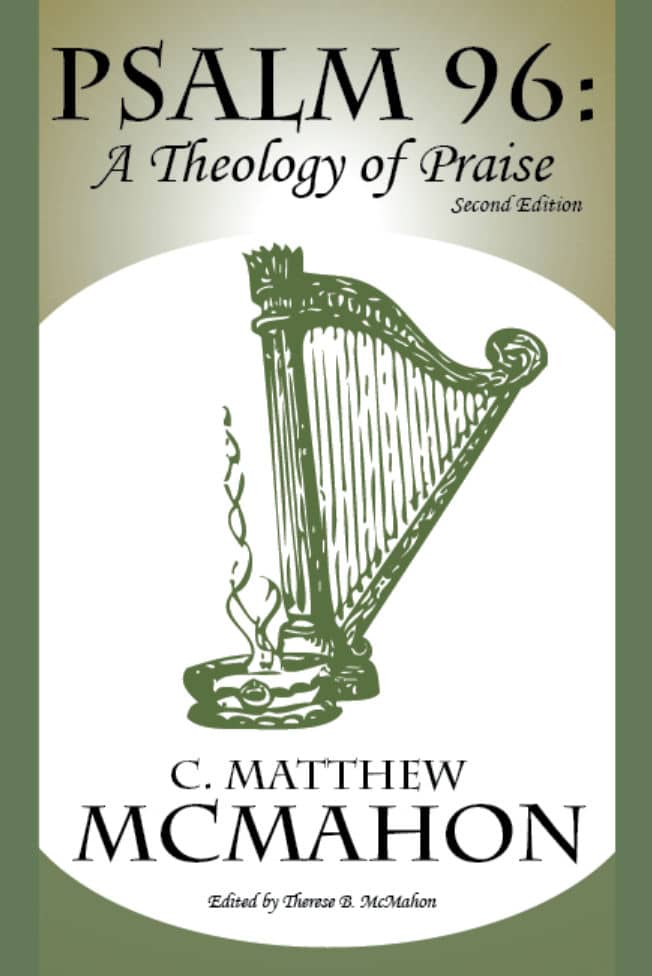
How often do we take time to praise God for who he is and what he has done? How do we worship Him aright? Psalm 96 not only answers those questions, but it gives us a complete theology of praise. Get it here at Puritan Publications.


This work is an abridged version of Arthur Hildersham’s 1000-page commentary on the fourth chapter of John. It has been prayerfully edited to its current size so that not only will readers have a chance to handle a manageable book on worship by this exemplary puritan, but also that they might focus on the most proper teachings by Hildersham concerning Christ’s Directives on the Nature of True Worship.


- A Practical Discourse on the Second Commandment by James Durham
- Art and Music in Puritan Worship by Horton Davies
- Christmas and the Regulative Principle
- Church Membership and Covenanting – by Dr. C. Matthew McMahon
- Duties Of The Church Member To The Church – by Dr. Thomas Murphy, D.D.
- Exclusive Psalmody
- God is Neither Faddish nor Nostalgic – by Dr. C. Matthew McMahon
- God is Not to Be Worshipped as Represented by an Image – by Benjamin Needler (1620-1682)
- How May We Have Suitable Conceptions of God in Worship? by Thomas Mallery D.D. (n.d.)
- Is the acknowledgement of God’s Holiness Essential? – by Dr. David F. Wells
- John Calvin’s Order of Worship (1542) and Genevan Liturgy in Strassborg (Strasbourg)
- Public Worship to be Preferred Before Private by David Clarkson (1622-1686)
- Public Worship to be Preferred Before Private by David Clarkson (1622-1686)
- Puritan Worship – An Antidote Against Distractions in Worship by Richard Steele (1629-1692)
- Puritan Worship – by Thomas Doolittle (1632-1707)
- Puritan Worship is Evangelical Worship which is Spiritual Worship – by Matthew Poole (1624-1679)
- Puritan Worship, Images of God or Images of Christ by Leland Ryken
- Reformed Liturgical Services and the Puritan Order of Worship
- Strange Fire – by Dr. C. Matthew McMahon
- The Call to Worship and Benediction in the Corporate Worship Service as it Relates to the Regulative Principle – by C. Matthew McMahon
- The Duty of Social Covenanting – Edited by Rev. David Scott
- The Form of Prayers and Ministration of the Sacraments by John Calvin – by John Knox (1556)
- The Geneva Bible
- The Lord’s Day or Christian Sabbath
- The Necessity of Reforming the Church – Part 1 – by Dr. John Calvin
- The Necessity of Reforming the Church – Part 2 – by Dr. John Calvin
- The Necessity of Reforming the Church – Part 3 – by Dr. John Calvin
- The Necessity of Reforming the Church – Part 4 – by Dr. John Calvin
- The Necessity of Reforming the Church by Dr. John Calvin
- The Proposal of John Reynolds – by Dr. C. Matthew McMahon
- The Puritan Approach to Worship by J.I. Packer
- The Reformers and the Regulative Principle by William Cunningham
- The Regulative Principle in Worship: A Brief Article – by Dr. C. Matthew McMahon
- The Right Manner of Worship and Drawing Nigh Unto God – by Rev. Jeremiah Burroughs (1599-1646)
- The Warrant and Nature of Public Worship – by Benjamin Morgan Palmer (1818-1902)
- Think today’s church services are too long? – A Brief Instruction in the Worship of God – by John Owen (1616-1683)
- True and False Religion by Bernardinus De Moor (1709-1780)
- True and False Worship by Martin Luther
- True Worship by John Welch
- Truth’s Victory Over Error by David Dickson
- Twelve Arguments Against Any Conformity to Worship Not of Divine Institution by John Owen (1616-1683)
- We Are Separated for Christ’s Instituted Worship’s Sake – by Peter Vinke (d. 1702)
- What are the marks of a biblical church? – by Dr. C. Matthew McMahon
- What Would It Have Been Like to Attend a Puritan Worship Service? by Horton Davies
- Why a Genevan Robe? – by Dr. C. Matthew McMahon
- Wigged Out – Why did the Puritan’s Wear Wigs? – by Dr. C. Matthew McMahon
- Wine vs. Grape Juice in the Lord’s Supper Edited by C. Matthew McMahon
- Worship – by Dr. Zacharias Ursinus

Help Support APM